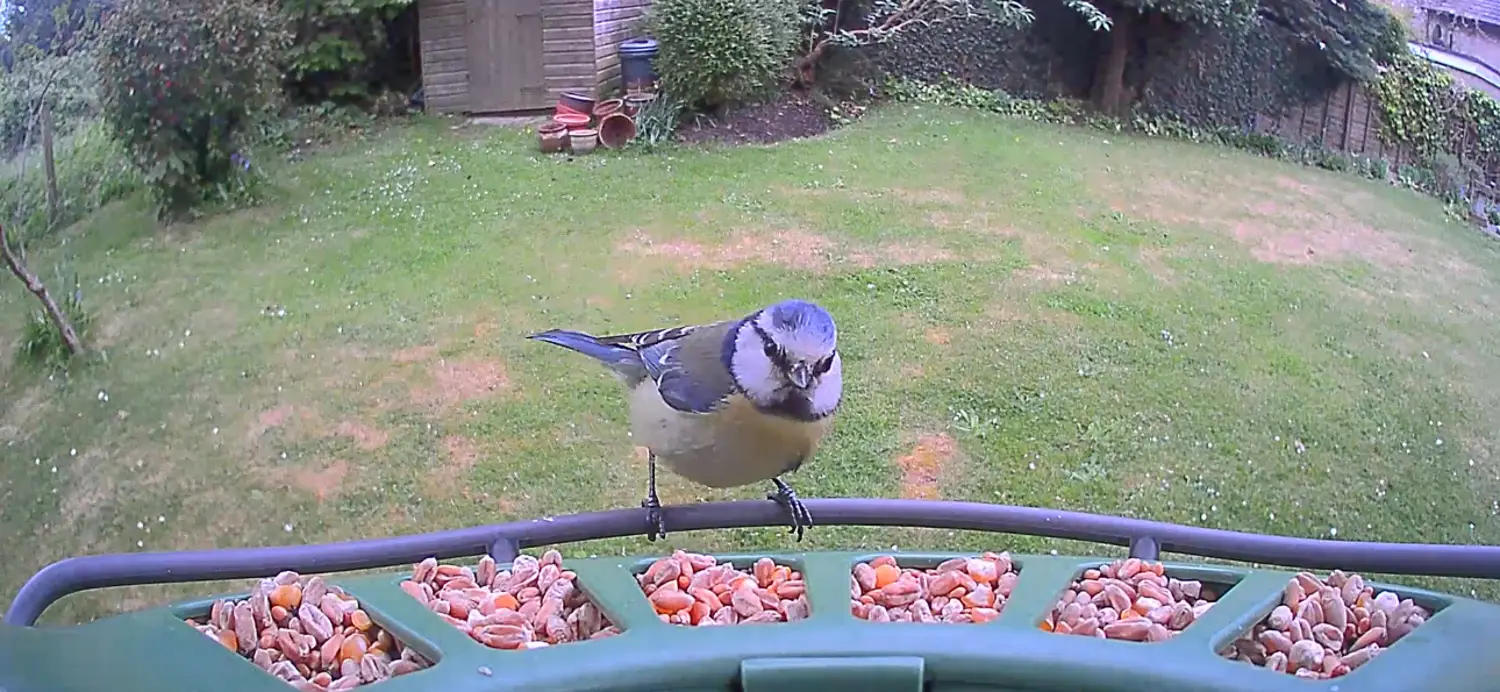
Lymington Nature Reserve, part of the wider Lymington and Keyhaven Marshes Nature Reserve, is one of the best places to go birdwatching on the Hampshire coast. Its diverse habitats include salt marshes, lagoons, and mudflats, which support a range of birdlife. The reserve’s species range from Dartford warblers to wigeon to white-tailed eagles, and there are several migratory visitors throughout the year – so there’s always something new and exciting to see! Here’s your guide to the wonderful nature and wildlife of the Lymington Nature Reserve on the edge of the New Forest National Park.
How to get to Lymington Nature Reserve
The Lymington Nature Reserve is found along the Hampshire coast, just outside the town of Lymington. It’s part of the larger Lymington and Keyhaven Marshes Nature Reserve and is most easily accessible by car.
There’s a free car park at the Lymington Yacht Haven Marina, which gives easy access to the trail into the reserve. The entrance to the car park does have a barrier, which can make it seem like entry is restricted, but that’s not the case. Simply drive up to the barrier and it will rise up and let you into the car park.
The reserve is approximately a 20-minute walk from Lymington Station, so trains are the best option if you’re looking to get there via public transport.
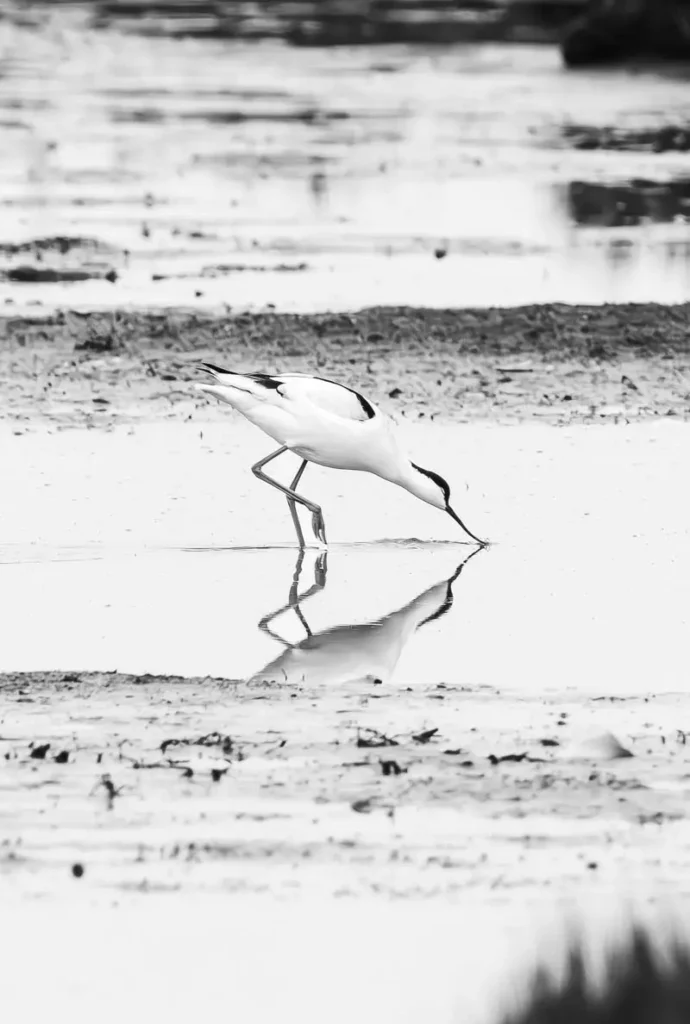
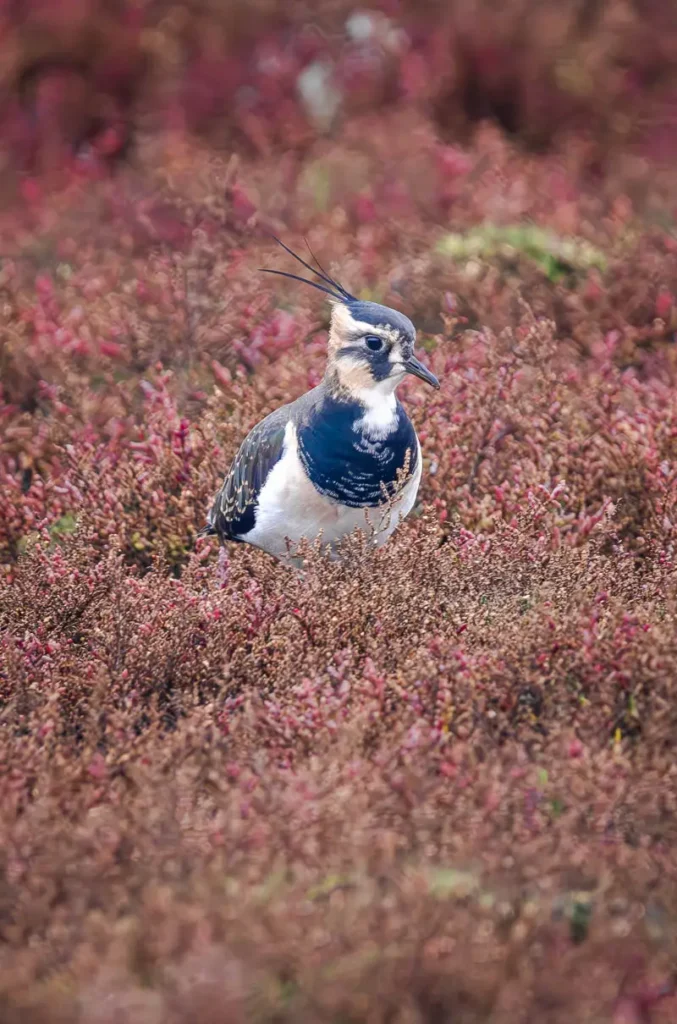
Wildlife of the Lymington Nature Reserve
The Lymington Nature Reserve is a brilliant year-round destination for nature lovers and one of the best places to see wildlife in the New Forest, thanks to its wonderful range of bird and mammal species. Each season offers something a little different, making every visit unique.
Spring/Summer
The spring and summer seasons bring various migratory species to the Lymington Nature Reserve, including wheatear, swallows, and three species of tern.
Autumn/Winter
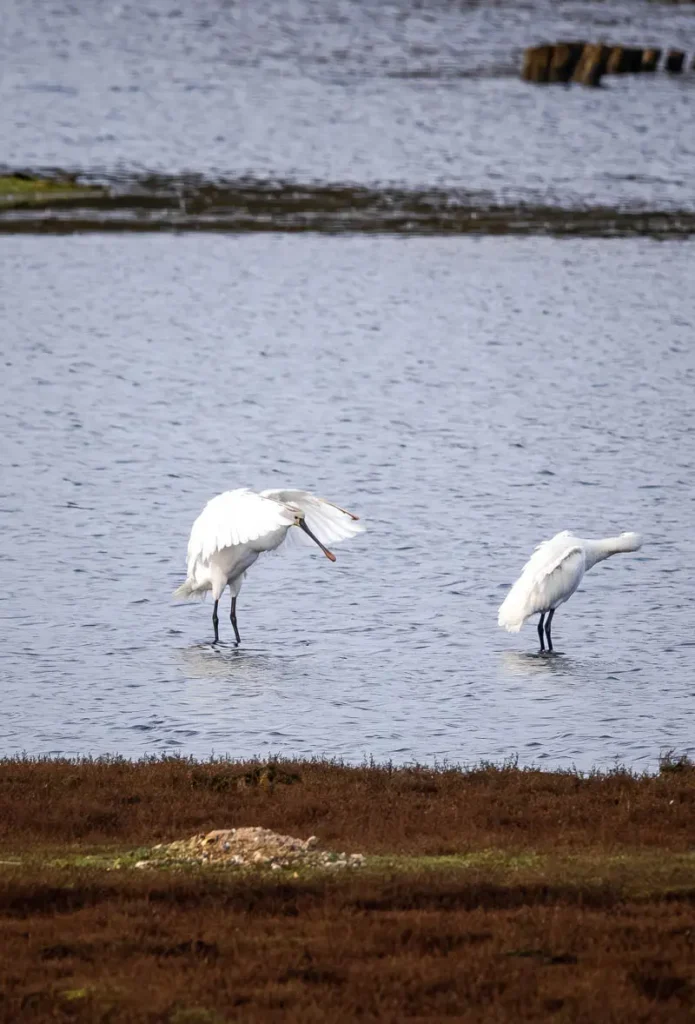
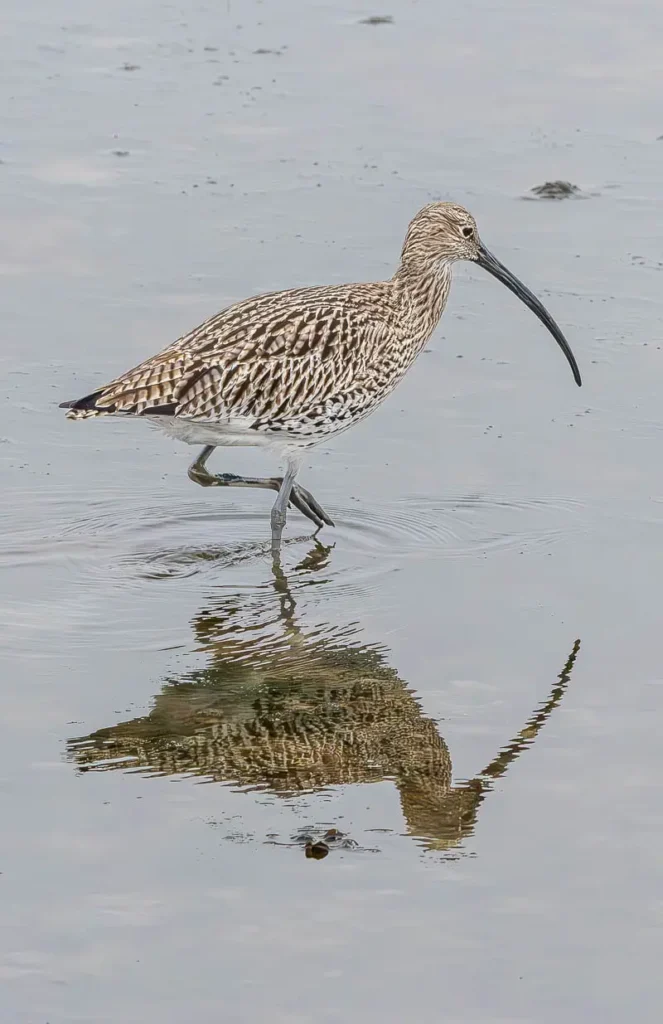
Migratory species at the reserve in winter include wigeon, pintail, grey plover, dunlin, black-tailed godwits, curlews, spoonbills, and large flocks of brent geese.
All Year Round
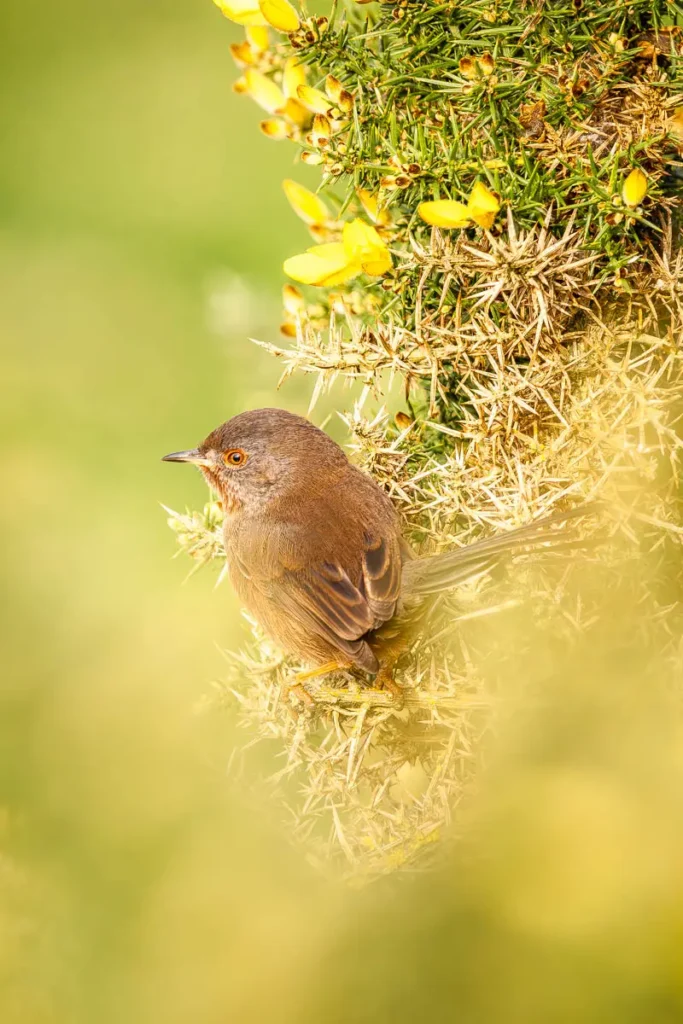
Little egrets, kingfishers, Dartford warblers, linnets, and stonechats are among the bird species found at the reserve throughout the year. Several birds of prey, including buzzards, kestrels, marsh harriers, white-tailed eagles, and barn owls, can also be seen at the Lymington Nature Reserve.
Beyond birds, it’s also possible to see New Forest ponies and deer within the reserve. Grey seals make occasional appearances and can be seen swimming in the sea or lounging on mudflats.

Tips for visiting the Lymington Nature Reserve
Bring binoculars – Most wildlife sightings in the reserve are at a distance, so a good pair of binoculars is essential to get the best views.
Normandy Lagoon – One of the best spots for birdlife in the Lymington Nature Reserve is Normandy Lagoon. There’s normally lots of activity at the lagoon, with the chance to see a variety of species ranging from spoonbills to oystercatchers.
Follow the trail to the Keyhaven Marshes – The reserve is part of the wider Lymington and Keyhaven Marshes Nature Reserve, and the coastal route between the two is a haven for wildlife. If you do the entire route there and back, you can stop off at the Gun Inn for a well-deserved drink and bite to eat before walking back.
Dress for the weather – The nature reserve can get quite windy due to its coastal location, so bring layers on wet or windy days to keep yourself warm and dry.