Going on safari in South Africa is an unforgettable experience, and a few simple tips can help make it even more memorable. With world-famous spots like Kruger National Park and private reserves such as Sabi Sands, a hotspot for leopards, the country offers plenty of thrilling safari opportunities. But to really make the most of it, there are a few important things to know before you go on a South African safari, like how to pick the right lodge, surprising packing essentials like lip balm, and just how tiring the days can be. Find out everything you need to know with these essential tips for going on safari in South Africa.
Top South Africa safari tips
Be prepared for long days
A South African safari isn’t like a regular holiday where you sleep in and take it easy. Most lodges include two safaris a day, with morning drives departing around 6:00 AM, and afternoon/evening ones typically returning after nightfall.
This means you’ll be awake for 12–14 hours a day, with safaris, meals, and a bit of downtime all packed in. Factor in the early starts, heat, and bumpy drives, and the tiredness can catch up with you quickly.
To make it through the long days, one of the top tips for South African safaris is to rest up with a quick nap between game drives. Even just a short 30-minute nap can help a lot, and means you won’t be tempted to skip an early morning safari.
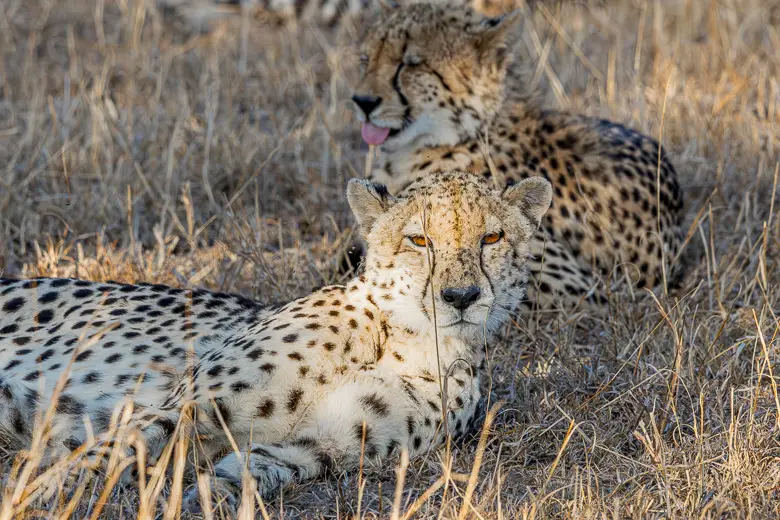
We came close to skipping a morning safari once, and it ended up being the only drive where we saw cheetahs — so trust us, take naps and don’t skip any drives.
Practise with your camera before your trip
A common mistake people make when going on safari in South Africa is buying a brand new camera right before the trip. While a good camera can make a big difference, it won’t help much if you haven’t had time to figure out how to use it properly.
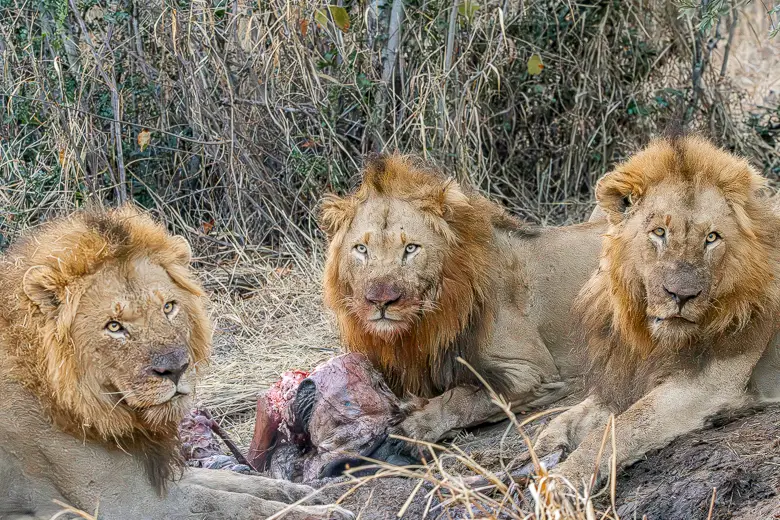
Being familiar with your camera settings can make a huge difference, as animals won’t wait for you to adjust things. If you’re not ready, it’s easy to miss an incredible shot. Being confident with our camera meant we were able to get some amazing photos, like one of three lions looking over at us while feasting on a dead elephant.
So if you’re planning to get new gear, do it early so that you have plenty of time to practice. If you’re getting new gear, try to buy it a few months ahead and spend time practising on wildlife or other moving subjects so you can get used to it before your safari.
For photographers, one of the top tips for safaris in South Africa (or anywhere, really) is to bring spare batteries and memory cards so you don’t run out halfway through a drive. And don’t worry if you don’t have a camera. Phones are more than capable of getting amazing safari photos, so keep yours charged and quickly accessible at all times.
While getting photos is a great way to hold onto the memories, don’t forget to put the camera down now and then and just enjoy the moment.
Every safari is unique — so the longer you stay, the better
It’s pretty logical to assume safaris get repetitive after a while, but in our experience, they really don’t. Each drive brings something different, whether it’s new animals, different behaviours, or a closer look at something you’ve already seen.
Some drives are packed with sightings of everything from leopards and lions to zebras and giraffes, while other safaris are much quieter. As with any wildlife sightings, a lot of it comes down to luck. There’s no surefire way to guarantee sightings, but the longer you stay, the more chance you have of not only seeing the Big Five (lion, leopard, rhino, elephant, and buffalo), but also rarer species like cheetahs and wild dogs.
Even animals you’d expect to see everywhere aren’t always around — it took us five safaris to spot our first giraffe. Many people only spend two or three nights at a safari lodge, but one of the top tips for South African safaris is to stay a little longer to give yourself the best chance of great sightings.
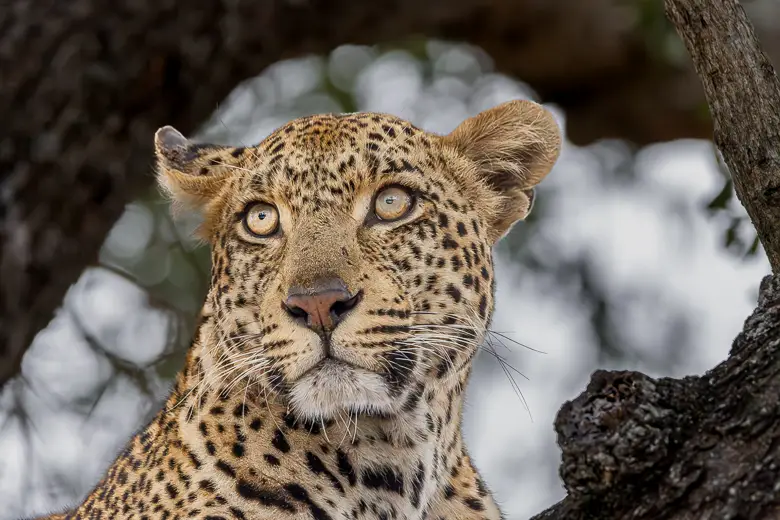
Dry season is prime time for a safari in South Africa
Safaris are at their best during the dry season, when animals are easier to see thanks to sparse vegetation and regular visits to waterholes. That’s not to say you won’t see wildlife during the wetter months, but animals are harder to spot and your views are often more obstructed.
The dry months mark the peak season for safaris in South Africa, thanks to more comfortable temperatures and better sightings. It can still get reasonably hot, but mornings and evenings are fairly cool, so you’re not dealing with intense heat for hours on end while on game drives. And, as an added bonus, there are fewer mosquitoes during the dry season, which is ideal if you’re travelling to parts of South Africa where malaria is a concern.
The timing of the dry season varies across South Africa. In Kruger National Park and Sabi Sands, the peak dry months are from May to September, while the dry season in reserves closer to Cape Town typically runs from December to March.
Lip balm is a must-have
Lip balm isn’t the most obvious thing to pack for an adventure into the South African bush, but it turned out to be one of the most useful things we packed. Between the wind, the dust, and the dry air, being out in an open 4×4 for hours at a time really takes its toll on your lips.
Lip balm goes a long way to avoiding chapped lips, and choosing one with SPF adds extra protection against the African sun. It’s one of those things you’ll want to pack before you go, as most lodges won’t have it and you’ll be too remote to buy it once you’re there.
If you do forget lip balm, use a tissue or blanket to shield your mouth from the wind for at least some level of protection.
Don’t forget to bring cash for tips
Although tipping isn’t mandatory, it’s considered customary and is an important way to support the guides, trackers, and staff who help to make the experience so special. It’s worth planning ahead when it comes to tipping, as you’ll need cash and most lodges are too remote to access an ATM.
There are no set figures regarding the amount to tip, so use your judgement to decide what’s a fair amount for the level of service and length of your stay. It’s best to tip in South African rand, so try to take out any cash you’ll need when you arrive in the country.
Choose your safari lodge wisely
There’s no shortage of options when it comes to safari lodges in South Africa, so it’s worth doing a bit of research to find the one that best suits your needs and budget. You’ll find everything from luxurious, all-inclusive lodges to more budget-friendly options, though even the cheaper options can still be fairly costly.
Firstly, you’ll need to decide whether to stay in a private reserve like Sabi Sands or in a public park like Kruger National Park. Public parks tend to have more vehicles at wildlife sightings, whereas private reserves limit it to just two or three jeeps at a time. Private reserves are therefore better for peaceful safaris with up-close encounters, but keep in mind that lodges in these reserves are often pricier.
Most lodges include two game drives a day (morning and afternoon/evening) and park fees in the price, though some may charge extra, so double-check what’s included before booking. If meals or other extras aren’t included, it’s worth factoring that in when deciding which lodge is the best value.
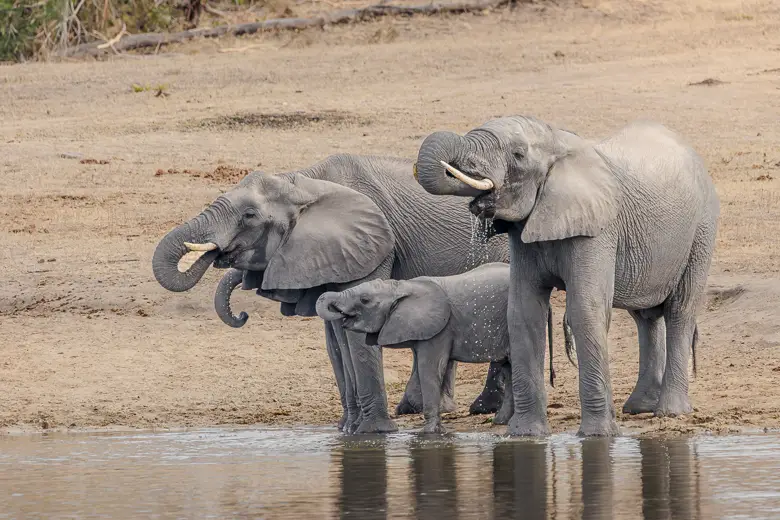
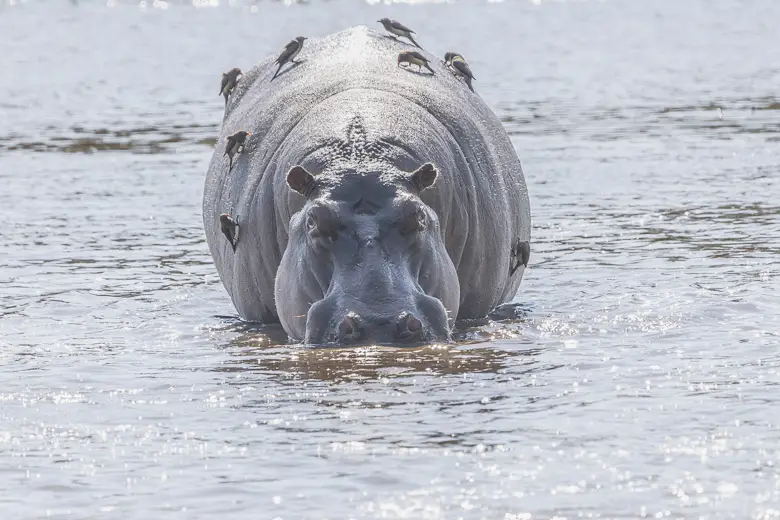
The lodge location can also be a key factor in your decision, especially if it overlooks a waterhole or open plain where you can spot wildlife between drives. At Arathusa (where we stayed), the waterhole right in front of the lodge was a constant source of action, with around 30 hippos living there. Elephants, giraffes, zebras, and nyala all wandered through during our stay, and there were some dramatic hippo fights most days, too.
South African safari packing tips
What to pack for a South African safari depends on the time of year, but year-round essentials include sun cream, a hat, mosquito repellent, bite cream, sunglasses, comfortable closed shoes, and a powerbank. To make the most of your game drives, it’s also worth bringing binoculars and/or a camera with a good zoom lens so you can spot and photograph animals from afar.
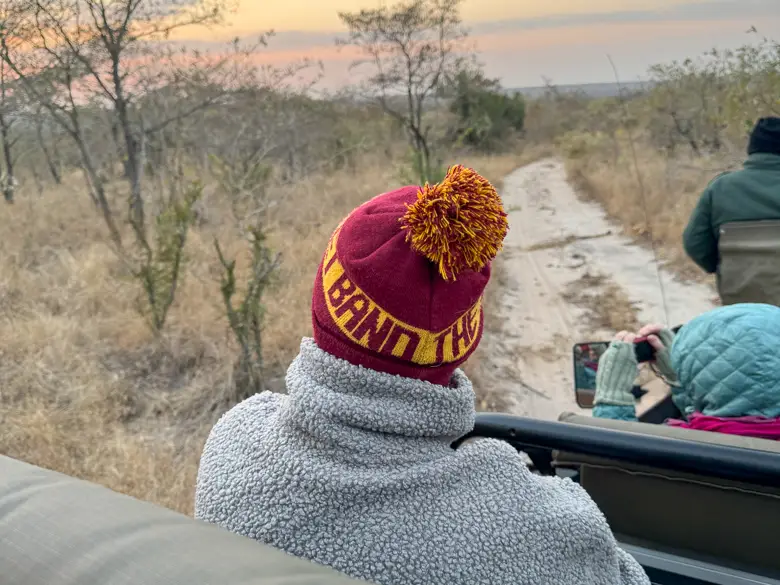
If you’re visiting in the dry season, pack some warm layers, as early morning drives can get pretty chilly. Sam normally prefers cold weather, and even he wrapped up for the morning drives.
Whatever time of year you visit, opt for light, breathable clothing. Brands like Craghoppers offer mosquito-repellent options that are ideal for safaris in South Africa.
Top wildlife apps for your safari adventure
During game drives, you’ll have expert guides and trackers who can ID just about anything, but it’s still worth downloading some wildlife apps to help identify animals between drives. Apps like Seek and Merlin are especially helpful for identifying wildlife around the lodge, and they’re just as useful for reviewing photos later if you didn’t catch the name at the time.
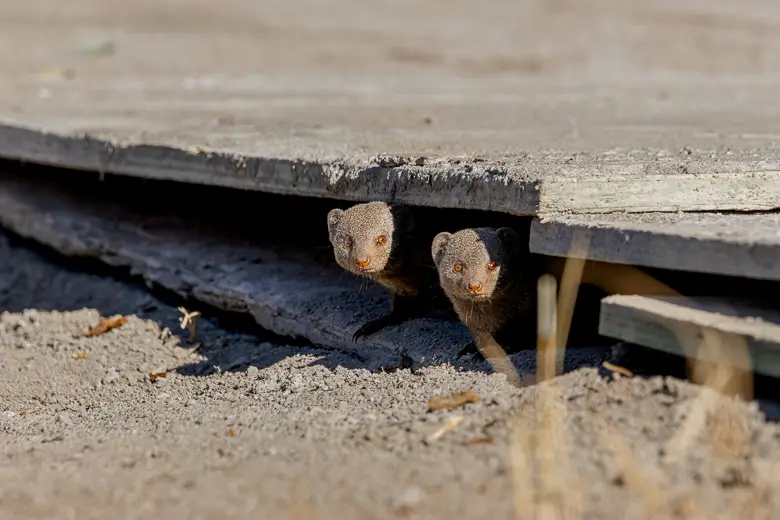
Lodges attract plenty of wildlife, and during our stay, we saw warthogs, dwarf mongooses, nyalas, hornbills, and grey go-away birds right by our accommodation. It’s worth having these apps ready to go, as they’re perfect for ID-ing any animal visitors during your downtime at the lodge.
Please note that some links in this article are affiliate links, which means if you make a purchase we make a small commission at no extra cost to you. This money is used to support this website and cover the costs of keeping it online and free to access!