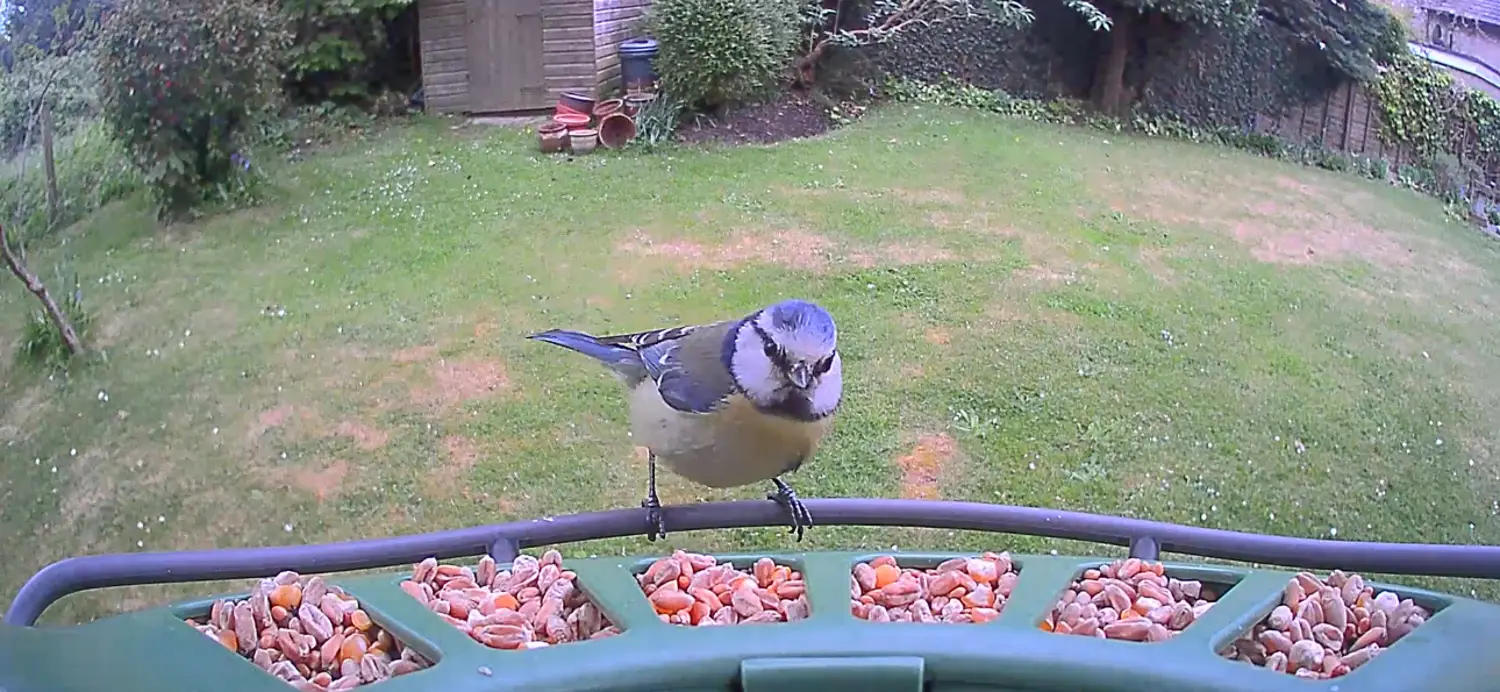
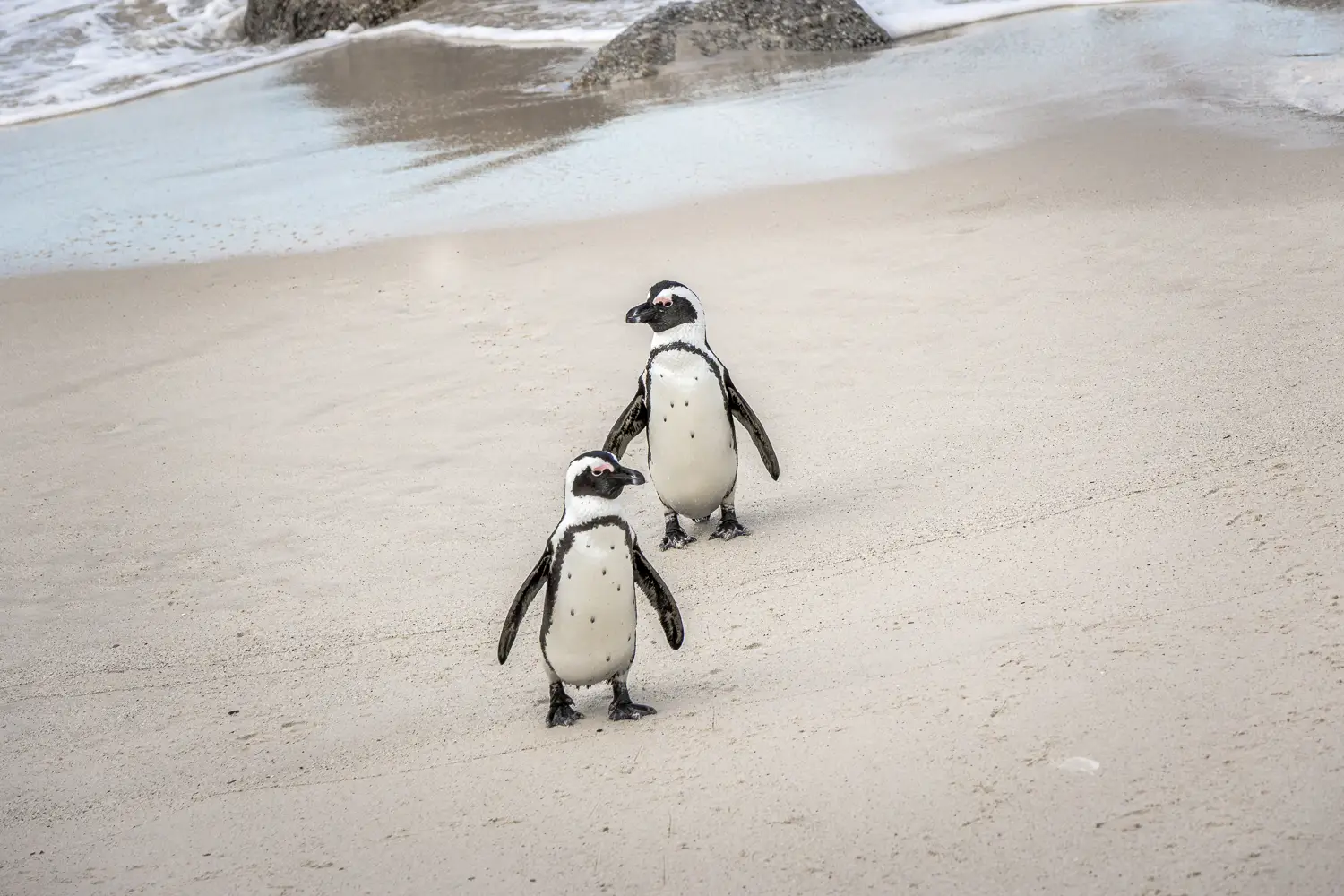
The Keyhaven Marshes are a beautiful part of the Keyhaven-Lymington Nature Reserve, home to some wonderful animal species. It’s one of the best places to see wildlife in the New Forest and is a particularly great spot for birdwatching, with various species, including Dartford warblers, kestrels, and stonechats, frequently seen around the marshes. Different seasons bring various migratory species, such as Brent geese, so there’s always something unique to see on every visit. Here’s your guide to visiting the Keyhaven Marshes in Hampshire’s New Forest National Park.
How to get to Keyhaven Marshes
The Keyhaven Marshes are found on England’s south coast on the outskirts of the New Forest National Park. Just a short distance from both Lymington and Milford on Sea, the marshes are most easily accessible by car.
There’s a pay-and-display car park opposite the Gun Inn pub, just a few minutes from the walking trail alongside the marshes.
Wildlife of the Keyhaven Marshes
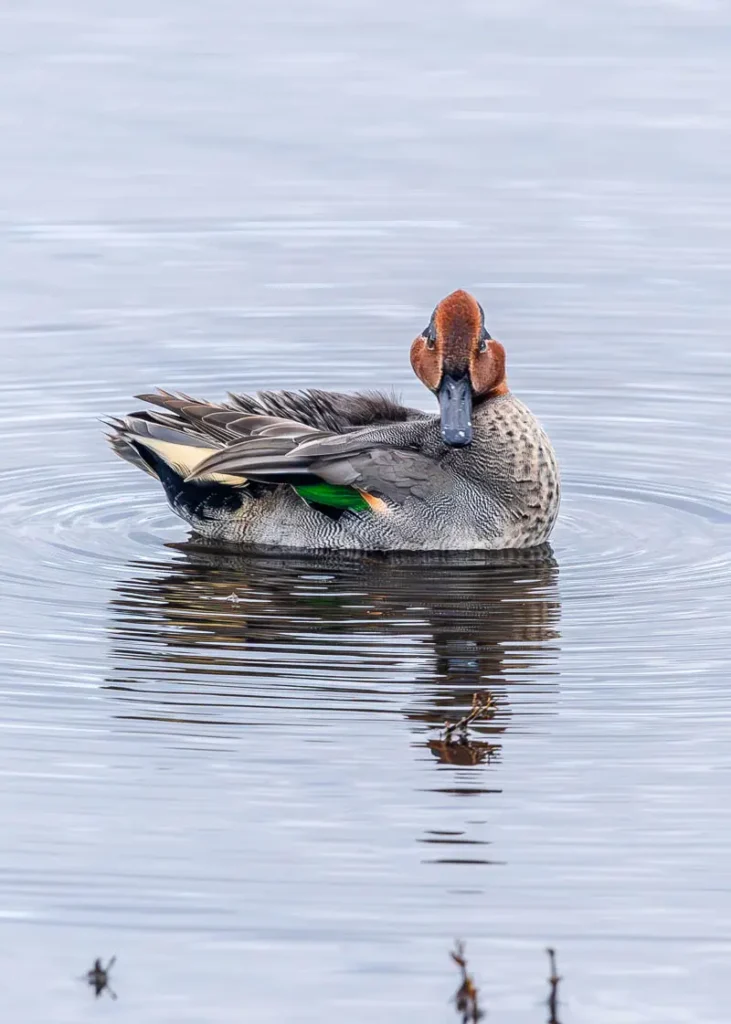
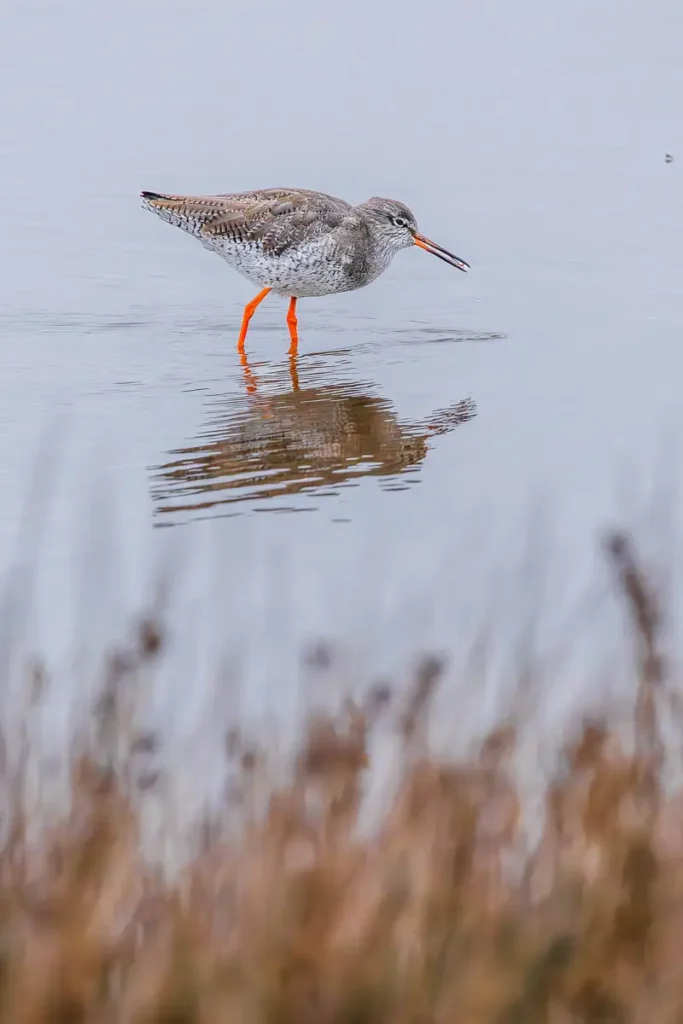
The Keyhaven Marshes, part of the Keyhaven-Lymington Nature Reserve, plays host to a range of wildlife all year round. Its diverse habitats include salt marshes, mudflats, and reed beds, which help sustain an array of birds, mammals, and aquatic species. Here’s a brief guide to some of the most notable species seen at the marshes during different times of year:
Spring
During spring, avocets, redshanks, and oystercatchers start nesting, while swallows and martins can be seen skimming over the marshes.
Summer
In summer, shelducks and their ducklings can be seen paddling in the water, while skylarks soar above the marshes.
Autumn
Autumn sees the arrival of migrating Brent geese from Syria, and the marshes come alive with wading birds like dunlins, black-tailed godwits, and curlews.
Winter
In winter, shovelers and pintails can be seen in the marshes’ lagoons, and grey plovers and lapwings gather in impressive numbers.
All year round
New Forest ponies can be seen roaming the marshes any time of year, and sometimes even wander onto the paths. Deer can be seen grazing along the edges of the woodland, while seats can also be seen lounging on mudflats or swimming in the sea.
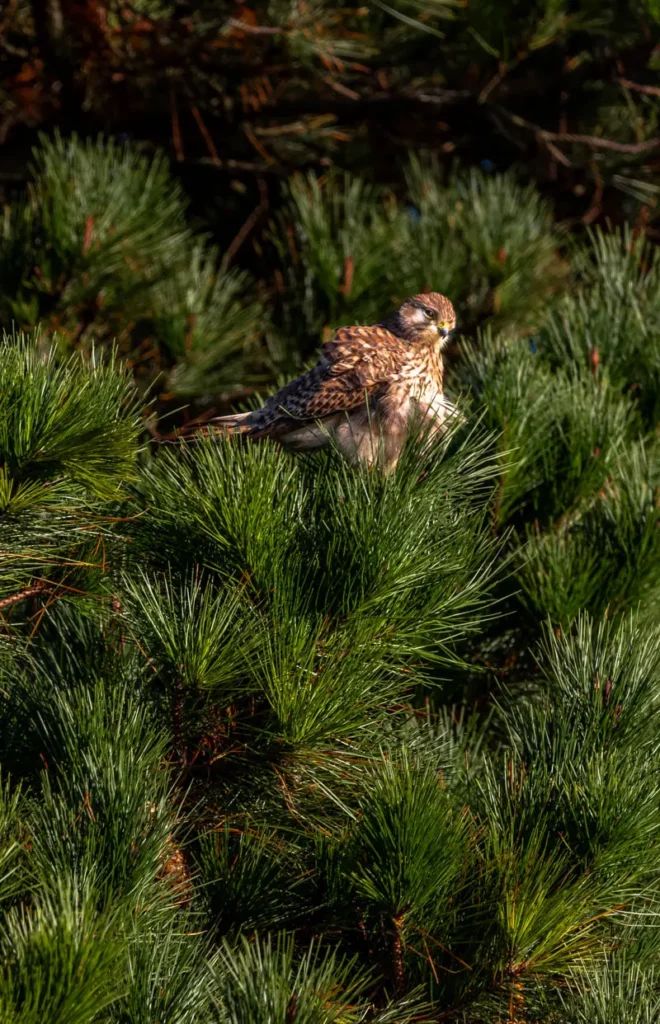
The Keyhaven Marshes are a popular hunting ground for raptors, with peregrine falcons, marsh harriers, and kestrels frequently seen in the area. Buzzards are also regularly seen soaring above the marshes, while barn owls are occasionally seen around dusk.

Tips for visiting Keyhaven Marshes
Bring binoculars – While some birds and wildlife can be seen close up at the marshes, binoculars are extremely useful for spotting further away species and getting better views.
Try different walking routes – The Keyhaven Marshes offer a few different walking routes, with varying pathways around the lagoons. Walk in different areas to have the best chance of seeing a range of species, and if you’re up for a long walk you can even walk as far as Normandy Lagoon – which is where the nature reserve ends.