The Dingle Nature Reserve is known for being one of the best places to see red squirrels in Anglesey. This impressive reserve in Llangefni, also known as Nant y Pandy, encompasses an area of ancient woodland which is accessible via a convenient boardwalk. There is lots of beautiful nature to enjoy, and a range of wildlife species call the reserve home. The thriving red squirrel population in the Dingle is indicative of the brilliant conservation work for the species across the island of Anglesey. This guide covers everything you need to know about visiting the Dingle Nature Reserve in Anglesey, with tips on where and how to spot red squirrels during your visit!
Looking for other wildlife destinations in the UK? We recommend heading up to Scotland to discover the amazing wildlife on the Isle of Skye!
The Dingle Nature Reserve Information
The Dingle Nature Reserve in Anglesey is made up of 17.5 hectares (43 acres) of ancient woodland. Also known as Nant y Pandy, the reserve is home to some stunning nature, and as a result is home to some wonderful wildlife.
Species found in the Dingle include red squirrels, frogs, newts, adders, lizards, butterflies, and foxes. The Dingle Nature Reserve is one of the best places to see red squirrels in Anglesey, thanks to successful reintroductions following a decline in the species’ numbers across the UK.
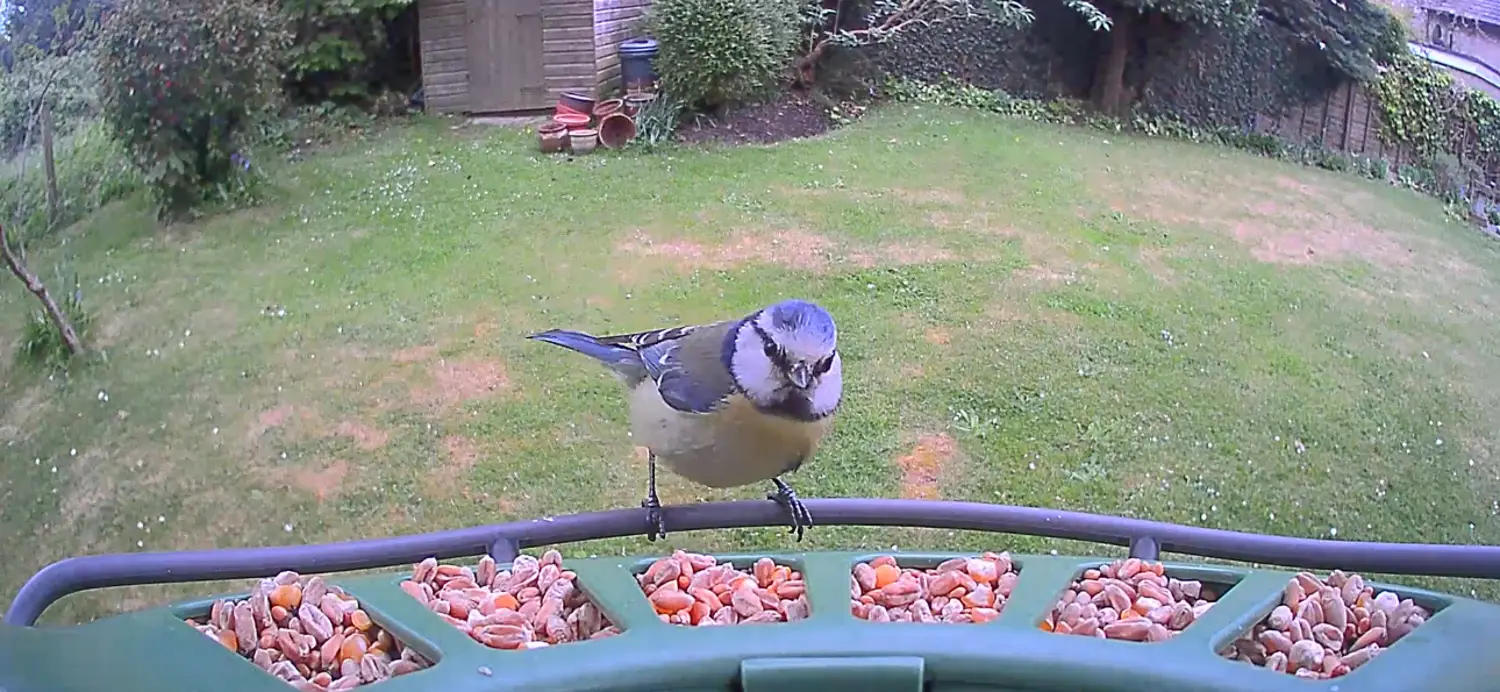
It’s also possible to see a range of birdlife in the Dingle reserve, including kingfishers, grey wagtails, blue tits, grey tits, buzzards, and even tawny owls.
The Dingle boardwalk makes this beautiful wooded area accessible for wheelchair users, and is a great way to discover the reserve’s nature.

How to get to the Dingle Nature Reserve, Anglesey
The Dingle Nature Reserve is located in the town of Llangefni, which is fairly centrally-located on the island of Anglesey. Although there is public transport on Anglesey, it’s generally easier to get around the island by driving yourself.
Conveniently, the Dingle in Anglesey has its own dedicated pay and display car park at postcode LL77 7ED. Click here to see the car park location on Google Maps!
Parking fees are quite reasonable, starting at £1 for an hour and going up to £3 for 12 hours. Like many other car parks in Anglesey, the Dingle Nature Reserve car park requires change to pay at the parking metre. The Dingle walk starts from the car park in Llangefni, so it’s by far the most convenient place to park.
If you don’t have a car for your trip to Anglesey, we do strongly recommend renting one in order to explore the island. We suggest checking the Tripadvisor website for a quote as they compare between operators to get the best price, and offer rentals from London, Liverpool, and elsewhere in the UK.
Click here to find the best deals on the Tripadvisor website!
It is possible to get from elsewhere in Anglesey to Llangefni and the Dingle Nature Reserve by taking the bus, but this is generally much slower than driving. For example, the bus from Holyhead to Llangefni takes around an hour, whereas it’s just a 20-minute drive.
If you want the flexibility to see the red squirrels in your own time at the Dingle Nature Reserve in Anglesey, then driving yourself is by far the best option!

Red squirrels in the Dingle Nature Reserve, Anglesey
The best way to see red squirrels in the Dingle Nature Reserve in Anglesey is to walk along the woodland boardwalk. This trail leads you through the reserve’s beautiful nature, and with a bit of luck gives you the chance to have close up encounters with red squirrels along the way.
Red squirrels can be seen in the trees along the route, as well as on the boardwalk itself – so make sure to keep your eyes peeled. Listen out for any movement in the trees, which can help draw attention to any nearby squirrels.
The Dingle boardwalk in Nant y Pandy makes up part of a 1.5 mile circular trail through the nature reserve, which takes around an hour at a leisurely pace. For the best chance to see red squirrels in the Dingle you will likely want to spend a few hours here, as you may not be lucky enough to see them straight away.
As part of conservation efforts to protect the red squirrels in the Dingle Nature Reserve, they are fed every day by a volunteer called Will. They are fed in the same area along the boardwalk each day at around 3-4pm.
The squirrels are accustomed to being fed in the area, and so you can get reliable sightings of them if your visit coincides with this. Will is very knowledgable about the squirrels and the area’s nature in general, which gives you an opportunity to learn more about this fascinating species and the great conservation efforts to protect them.
Another great place to see red squirrels is on Brownsea Island in Dorset.

Red squirrel conservation in Anglesey
A large reason that Anglesey is one of the best places to see red squirrels in the UK is because of amazing conservation work on the island. At one point there were as few as 30 red squirrels in Anglesey, but as of today there is a population of over 1,000 red squirrels on the island.
There are no grey squirrels on Anglesey, which helps the red squirrel population here to thrive. Grey squirrels carry the squirrelpox virus, which is deadly to red squirrels and is one of the main reasons that red squirrel numbers have declined across the UK.
Sometimes grey squirrels do attempt to cross the bridge to Anglesey or even swim over. Part of the conservation work is to ensure any grey squirrels that do make it across do not stay on the island and endanger the red squirrel population.

Tips for seeing red squirrels in Anglesey
Patience – Probably the most important tip for spotting red squirrels is that it does require some patience. We spent around an hour walking around the Dingle Nature Reserve before we spotted any squirrels, but from then on we saw at least ten more!
Visit early morning or late afternoon – Red squirrels tend to be at their most active in the early morning or late in the afternoon. If you time your visit for these times of day then you maximise your chances of success!
Listen and watch for movement in the trees – If you hear rustling in the branches or movement in the trees then make sure to pay attention as there is a possibility it could be a red squirrel. They can be quite noisy as they make their way through the trees, which is useful in spotting these cute creatures!
Please note that some links in this article are affiliate links, which means if you make a purchase we make a small commission at no extra cost to you. This money is used to support this website and cover the costs of keeping it online and free to access!
Like this guide to red squirrels in the Dingle Nature Reserve, Anglesey? Pin it!